

 Image 1 of 3
 Image 2 of 3
 Image 3 of 3
YOU MIGHT ALSO LIKE
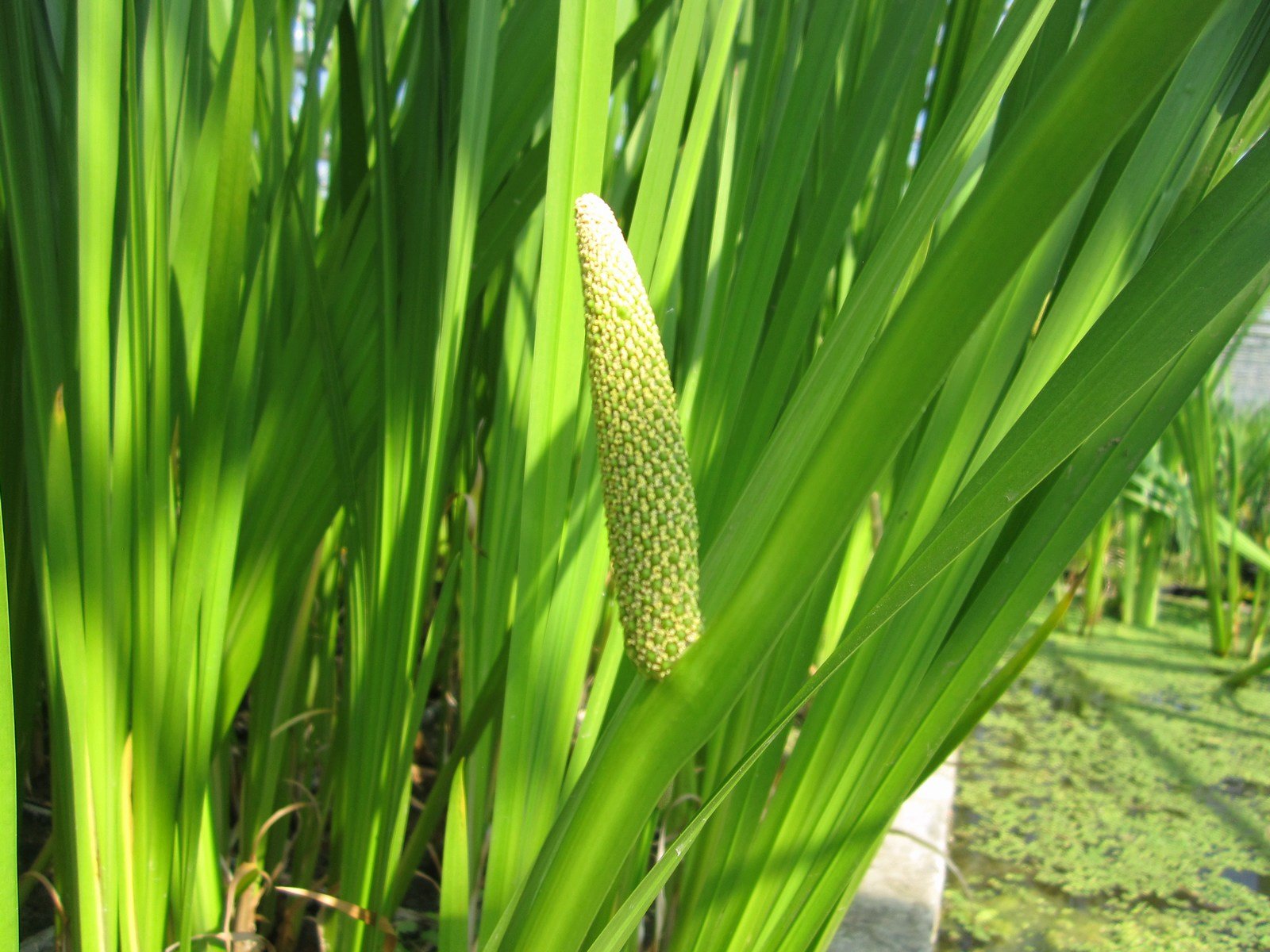
GARDEN SITE: ☀️-⛅ Average, medium to wet, wetland or boggy soil.
SIZE: 2-2 ½ ft. SPREAD: 1 ½- 2ft.
FLOWERS: Greenish-yellow spadix. June-July
WILDLIFE: Provides habitat and food for water birds.
ZONE: 4-10
Ideal for wet areas, Sweet Flag is a rhizomatous plant that will form dense colonies of sweetly scented, bright green, sword-shaped leaves. During summer, uniquely shaped flowers develop providing visual interest. A great choice for naturalizing a wet area prone to erosion or as an accent in water gardens or along pond margins. Deer resistant.
GARDEN SITE: ☀️-⛅ Average, medium to wet, wetland or boggy soil.
SIZE: 2-2 ½ ft. SPREAD: 1 ½- 2ft.
FLOWERS: Greenish-yellow spadix. June-July
WILDLIFE: Provides habitat and food for water birds.
ZONE: 4-10
Ideal for wet areas, Sweet Flag is a rhizomatous plant that will form dense colonies of sweetly scented, bright green, sword-shaped leaves. During summer, uniquely shaped flowers develop providing visual interest. A great choice for naturalizing a wet area prone to erosion or as an accent in water gardens or along pond margins. Deer resistant.
YOU MIGHT ALSO LIKE
GARDEN SITE: ☀️ Average, moist-wet, acidic soil. Tolerates light shade but flowers best in full sun.
SIZE: 2-4 ft. SPREAD: 3-5 ft.
FLOWERS: Showy, pink-rose. July-September.
WILDLIFE: Attracts butterflies, bees and birds.
LARVAL HOST TO: Columbia Silkmoth and Spring Azure
ZONE: 3-8
DISTRIBUTION: AR , CT , DE , GA , IL , IN , KS , KY , LA , MA , MD , ME , MI , MN , MO , MS, NC , NH , NJ , NY , OH , OR , PA , RI , SC , TN , VA , VT , WA , WI , WV
A member or the Roseacae family, Steeplebush is an erect, deciduous shrub covered in dense plumes packed with pink flowers. This is a beautiful, easy to grow selection that prefers wet, sunny locations with acidic soil. Following its summer show of gorgeous flowers, the fall foliage will fill your garden space with golden-bronze hues touched with a hint of red. Use in cottage and rain gardens, bogs or as erosion control along wet slopes and waterways. Wet soil tolerant and deer and erosion resistant.
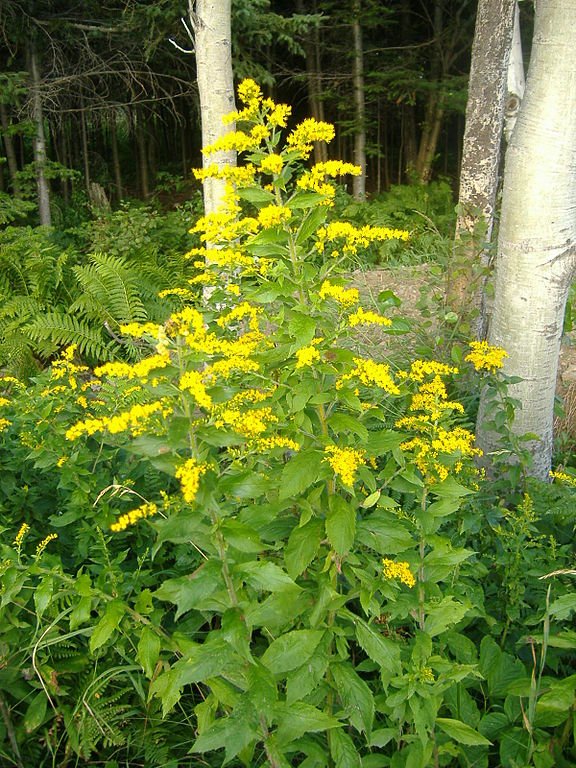
GARDEN SITE: ☀️ Medium to wet, well-drained soil.
SIZE:3-5 ft. SPREAD: 2-3 ft.
FLOWERS: Showy, golden-yellow. July- November.
WILDLIFE: Attracts Bees and Butterflies.
ZONE: 4-9
NATIVE TO: AL , AR , CT , DC , DE , FL , GA , IL , IN , KY , LA , MA , MD , ME , MI , MO , MS , NC , NH , NJ , NY , OH , OK , PA , RI , SC , TN , TX , VA , VT , WI , WV
Solidago rugosa is a clump-forming perennial with cascading, golden-yellow sprays of flowers. This eye catching goldenrod will not only add a bright splash of color to your fall season garden but also supports at least 115 species of beneficial insects. Easy to grow and low maintenance, it makes a perfect addition to cottage gardens, meadows, prairies, naturalized areas and is useful for erosion control. Drought, wet soil and Black Walnut tolerant.
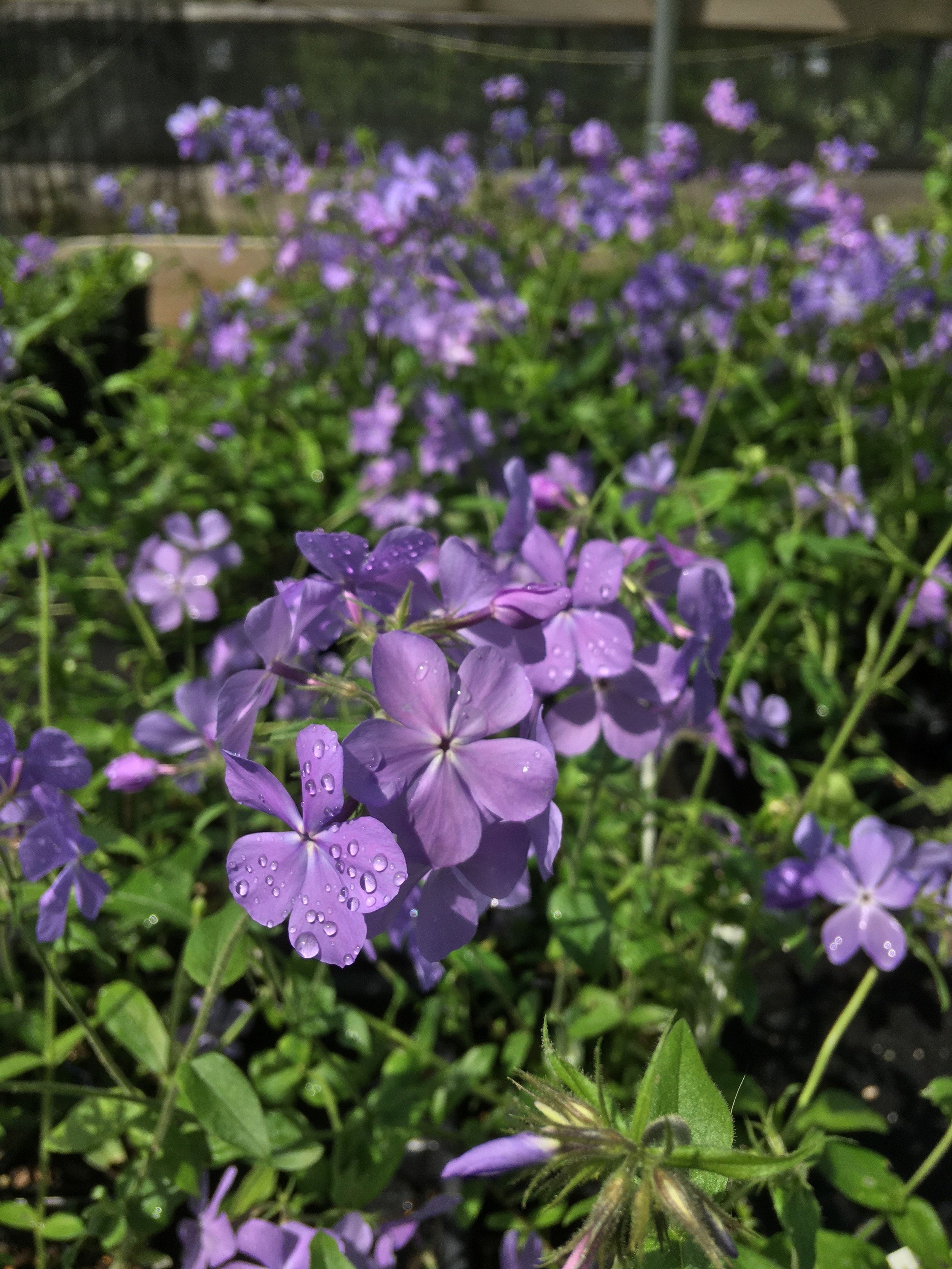
GARDEN SITE: ☀️ Evenly Moist to Wet, Well-Drained Soil.
SIZE: 3-4 ft. SPREAD: 2-3 ft.
FLOWERS: Violet-blue or Pink to White. August-October
WILDLIFE: Attracts Butterflies, Bees and other Pollinators
NATIVE TO: CT , DC , DE , MA , MD , ME , NC , NH , NJ , NY , PA , RI , SC , VA , VT , WV
ZONE: 4-8
This eye-catching perennial will not only bring brilliant color to your late-season garden, but is also easy to grow, long-lived and is a vital source of nectar for our pollinator friends. Prune stems to 6” in late spring-early summer to encourage bushier habit and stronger stems. Black Walnut, deer, rabbit, clay soil tolerant.





GARDEN SITE: ☀️-⛅ Average, medium to wet soil. Tends to flop in too much shade.
SIZE: 2-3 ft. SPREAD: 2-3 ft.
FLOWERS: Yellow, May-September
WILDLIFE: Food source for birds, butterflies and moths.
LARVAL HOST TO: Satyr Larvae
ZONE: 4-9
NATIVE TO: AR , IA , IL , IN , KS , KY , MI , MN , MO , OH , OK , TN , WI
Resembling small, feathery palms, this sedge is a dense, clump forming variety with bright green leaves and arching flowering spikes. Foliage turns a pretty copper color before going dormant for the winter. Slowly naturalizes by rhizomes in optimum growing conditions. Mass in moist, lightly shaded areas near ponds or streams. Deer and drought tolerant.