GARDEN SITE: ☀️-🌤️ Moist to occasionally wet soil. Prefers naturally wet areas like streambanks and bogs.
SIZE: 10-20 ft. SPREAD: 8-15 ft.
FLOWERS: Brown (male) and red (female). April.
WILDLIFE: An ecologically important plant that supports 255 different species of caterpillar, including the Harvester Butterfly, the only North American carnivorous caterpillar. Birds and mammals will feed on both the flowers and bark. Hazel Alder also provides shelter for wintering, nesting and migratory birds.
LARVAL HOST TO: Harvester Butterfly
ZONES: 4-9
DISTRIBUTION: Southeastern United States
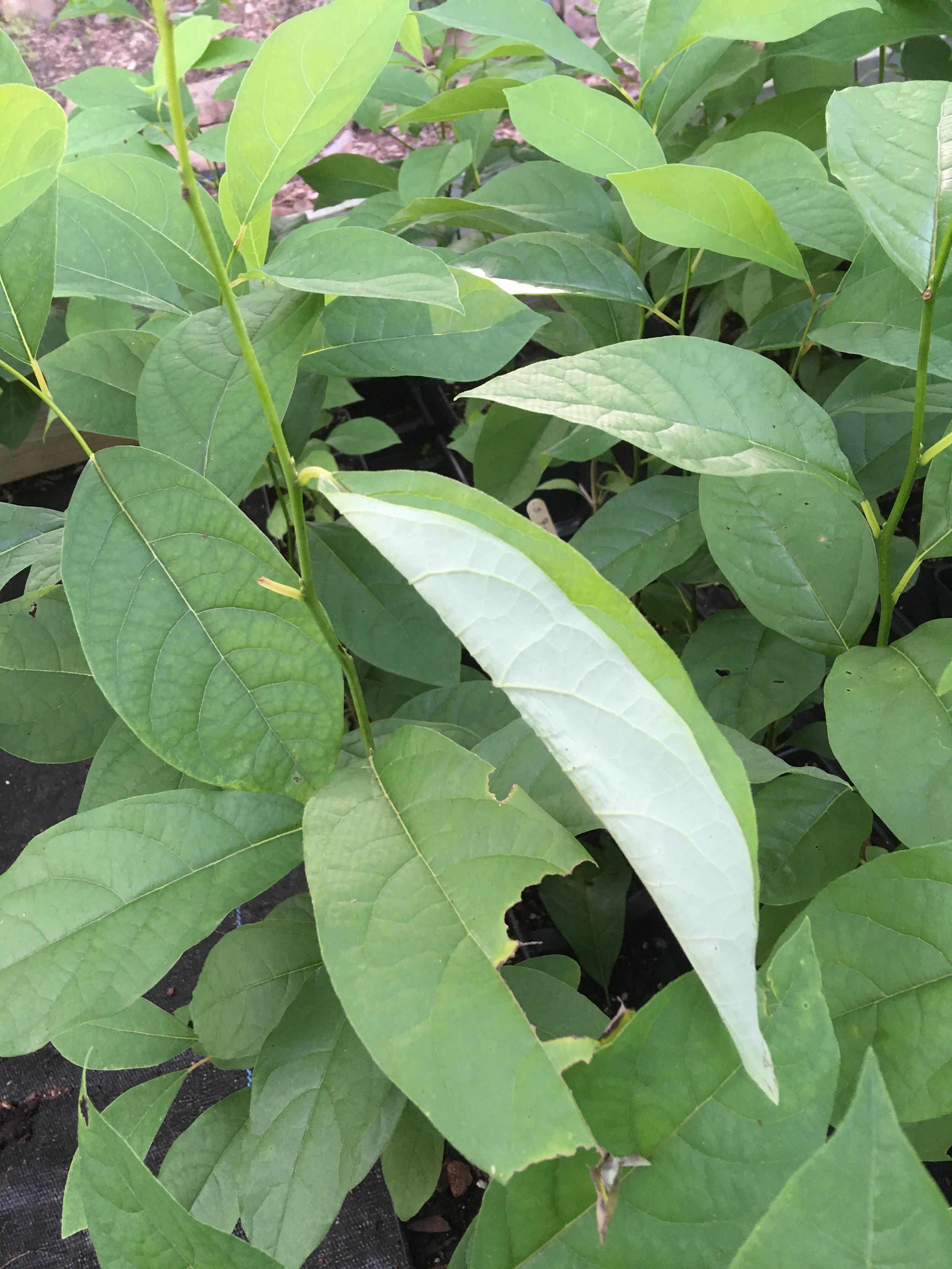
An underutilized ecological treasure, Hazel Alder is an indispensable native tree perfect for any consistently moist area, especially along streambanks, rivers and pond margins. A selection that provides four seasons of interest beginning with yellow (male) catkins and female (red) flowers in spring, undulating, glossy green leaves during summer and dark brown, fruiting cones that persist into winter-to the delight of many bird and mammal species. An especially good choice for attracting diverse species of wild birds, including Waxwings, Thrushes, Warblers, Pine Siskins, Bluebirds, Crossbills, Mockingbirds, Chickadees and Redpolls. Hazel Alder is a nitrogen fixing species that makes it a valuable plant for reclamation projects along waterways. Resistant to compaction, foot traffic, erosion, drought, fire and heat.
GARDEN SITE: ☀️-🌤️ Moist to occasionally wet soil. Prefers naturally wet areas like streambanks and bogs.
SIZE: 10-20 ft. SPREAD: 8-15 ft.
FLOWERS: Brown (male) and red (female). April.
WILDLIFE: An ecologically important plant that supports 255 different species of caterpillar, including the Harvester Butterfly, the only North American carnivorous caterpillar. Birds and mammals will feed on both the flowers and bark. Hazel Alder also provides shelter for wintering, nesting and migratory birds.
LARVAL HOST TO: Harvester Butterfly
ZONES: 4-9
DISTRIBUTION: Southeastern United States
An underutilized ecological treasure, Hazel Alder is an indispensable native tree perfect for any consistently moist area, especially along streambanks, rivers and pond margins. A selection that provides four seasons of interest beginning with yellow (male) catkins and female (red) flowers in spring, undulating, glossy green leaves during summer and dark brown, fruiting cones that persist into winter-to the delight of many bird and mammal species. An especially good choice for attracting diverse species of wild birds, including Waxwings, Thrushes, Warblers, Pine Siskins, Bluebirds, Crossbills, Mockingbirds, Chickadees and Redpolls. Hazel Alder is a nitrogen fixing species that makes it a valuable plant for reclamation projects along waterways. Resistant to compaction, foot traffic, erosion, drought, fire and heat.

 Image 1 of 5
 Image 2 of 5
 Image 3 of 5
 Image 4 of 5
 Image 5 of 5





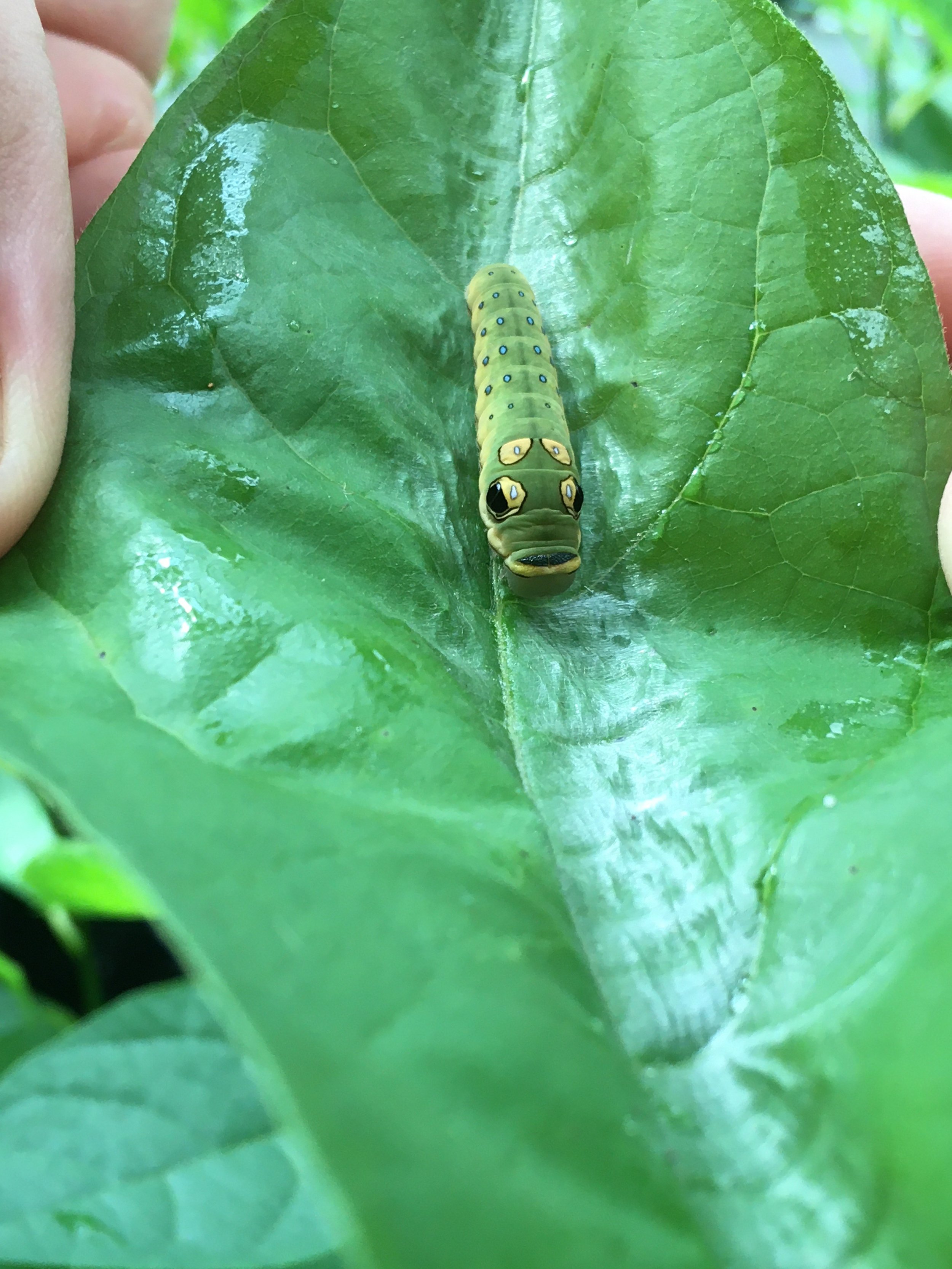
GARDEN SITE: ☀️-⛅ Average, medium to wet soil. Tends to flop in too much shade.
SIZE: 2-3 ft. SPREAD: 2-3 ft.
FLOWERS: Yellow, May-September
WILDLIFE: Food source for birds, butterflies and moths.
LARVAL HOST TO: Satyr Larvae
ZONE: 4-9
NATIVE TO: AR , IA , IL , IN , KS , KY , MI , MN , MO , OH , OK , TN , WI
Resembling small, feathery palms, this sedge is a dense, clump forming variety with bright green leaves and arching flowering spikes. Foliage turns a pretty copper color before going dormant for the winter. Slowly naturalizes by rhizomes in optimum growing conditions. Mass in moist, lightly shaded areas near ponds or streams. Deer and drought tolerant.