

 Image 1 of 1
YOU MIGHT ALSO LIKE
GARDEN SITE: Full Sun-Part Shade. Average, Dry to Medium, well-drained soil.
SIZE: 2-4 ft. Spread: 2-2 ½ ft.
FLOWERS: White blooms April-May
WILDLIFE: Attracts Butterflies.
LARVAL HOST TO: Wild indigo duskywing + Zarucco Duskywing
ZONE: 5-8
Plant in prairies, meadows, gardens etc. Attractive seedpods. Best as a specimen or in small groups. Rabbit, Drought, Erosion, Clay Soil, Dry Soil and Shallow-Rocky Soil Tolerant.
About: This eye catching perennial can be found near the edge of woods, the wetlands and sunny places in between. It's woody base supports it's upright, shrub-like growing habit. The bluish green foliage accents spires of pea shaped violet flowers. Can be used as blue dye. Can be used medicinally. Be aware some species in this genus are toxic.
GARDEN SITE: Full Sun-Part Shade. Average, Dry to Medium, well-drained soil.
SIZE: 2-4 ft. Spread: 2-2 ½ ft.
FLOWERS: White blooms April-May
WILDLIFE: Attracts Butterflies.
LARVAL HOST TO: Wild indigo duskywing + Zarucco Duskywing
ZONE: 5-8
Plant in prairies, meadows, gardens etc. Attractive seedpods. Best as a specimen or in small groups. Rabbit, Drought, Erosion, Clay Soil, Dry Soil and Shallow-Rocky Soil Tolerant.
About: This eye catching perennial can be found near the edge of woods, the wetlands and sunny places in between. It's woody base supports it's upright, shrub-like growing habit. The bluish green foliage accents spires of pea shaped violet flowers. Can be used as blue dye. Can be used medicinally. Be aware some species in this genus are toxic.
YOU MIGHT ALSO LIKE
GARDEN SITE: ☀️ Moist-Dry Soil. Prefers sandy loams.
SIZE: ⬆1-2.5 ft. ↔1.5-3 ft.
FLOWERS: Blue-Purple blooms August-October
WILDLIFE: Attracts butterflies, bees and birds
ZONE: 6-9
Perfect for Meadows, wildflower gardens, pollinator gardens. Attracts butterflies.
GARDEN SITE: ☀️ Average, dry to medium, well-drained soil. Does not tolerate wet or shady sites.
SIZE: 1.5-2 ft. SPREAD: 1-2 ft.
FLOWERS: Small, bright orange and purple that give rise to purplish-golden oat-like seed heads. August-September
WILDLIFE: Flowers attract butterflies. Provides food for birds, nesting material and cover, as well as graze for mammals.
LARVAL HOST TO: Several Skipper butterflies, including Dotted Skipper, Leonard’s Skipper and Ottoe Skipper.
ZONE: 3-8
DISTRIBUTION: Eastern United States
Sideoats Grama is a charming warm-season grass that forms compact, low-growing clumps. The orange and purple flowers rise above delicate, bluish foliage that add pretty color and textural appeal to the late summer garden. This tough, yet visually appealing grass is a perfect fit for small spaces and along edges of meadow gardens. Drought, dry soil and deer resistant.
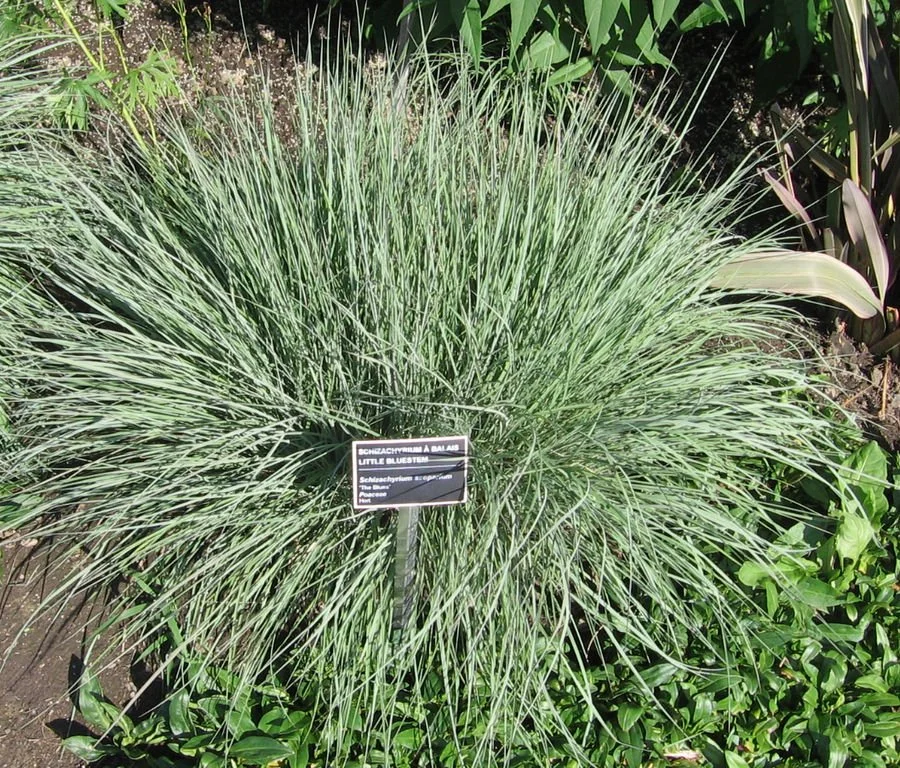
GARDEN SITE: ☀️-🌤️ Avg-Medium-Dry Soil.
SIZE: ⬆ 4in. seedheads 1-2 ft. ↔12-14 in
FLOWERS: Green/Blue🌸July-September.
WILDLIFE: Attracts Birds
LARVAL HOST TO: Leonard's Skipper
ZONE: 3-10
Drought tolerant. Often seeded in as a native lawn alternative. A dominant grass in dry shortgrass prairies. An understory grass in moister, mixed prairies.



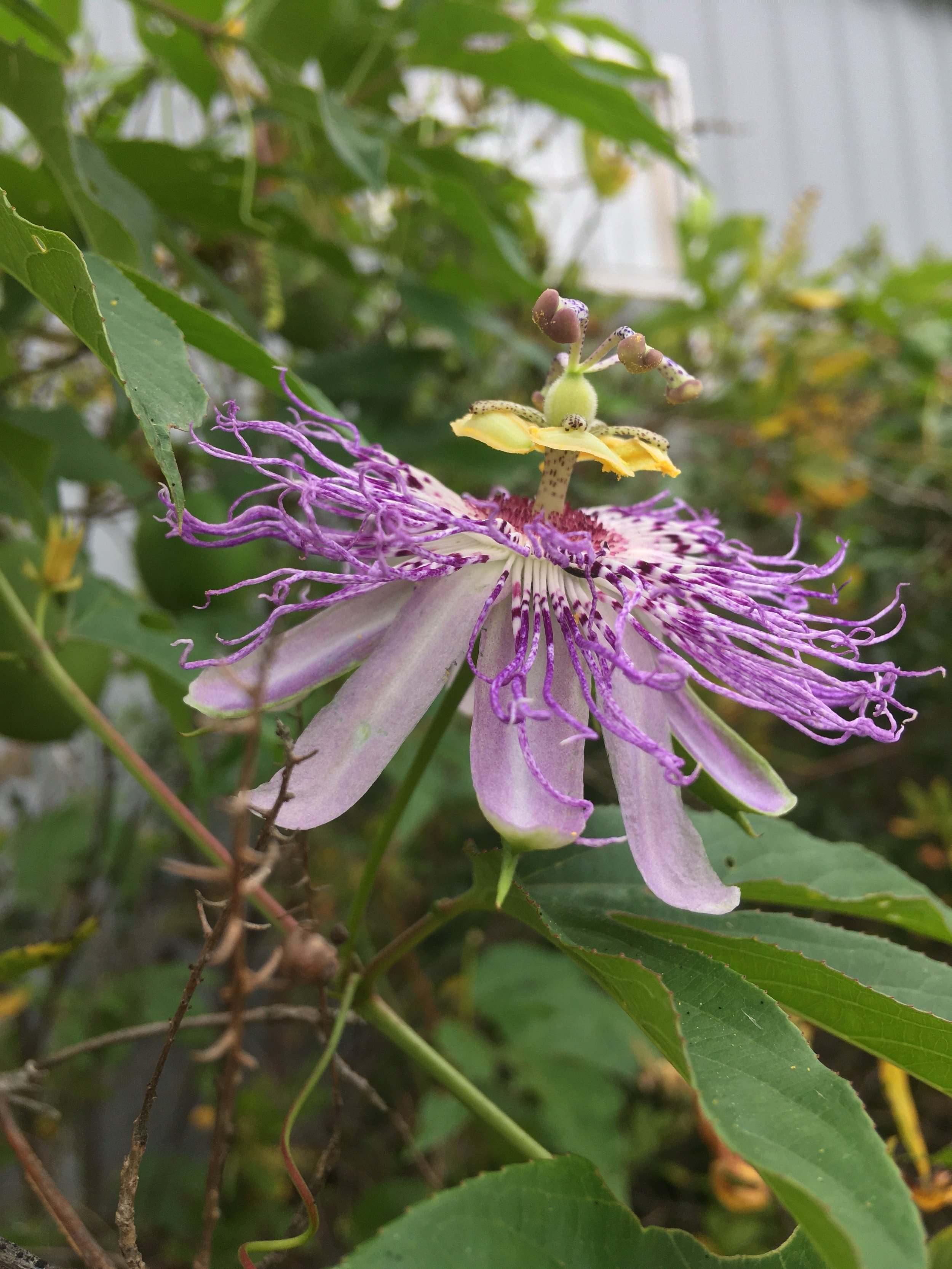


GARDEN SITE: Full Sun-Part Shade. Average, Dry to Medium moisture Soil.
SIZE: 1 ft. Spread: 1-2 ft.
FLOWERS: White bell shaped, May to October
WILDLIFE: Attracts Bees and Butterflies.
LARVAL HOST TO: Commons Buckeye Butterfly
ZONE: 4-8
Perennial! Drought, Dry Soil and Shallow-Rocky Soil Tolerant. Idea for orders, rock gardens, native plant gardens, wild gardens or prairies.