Image 2 of 5
Image 3 of 5
Image 4 of 5
Image 5 of 5
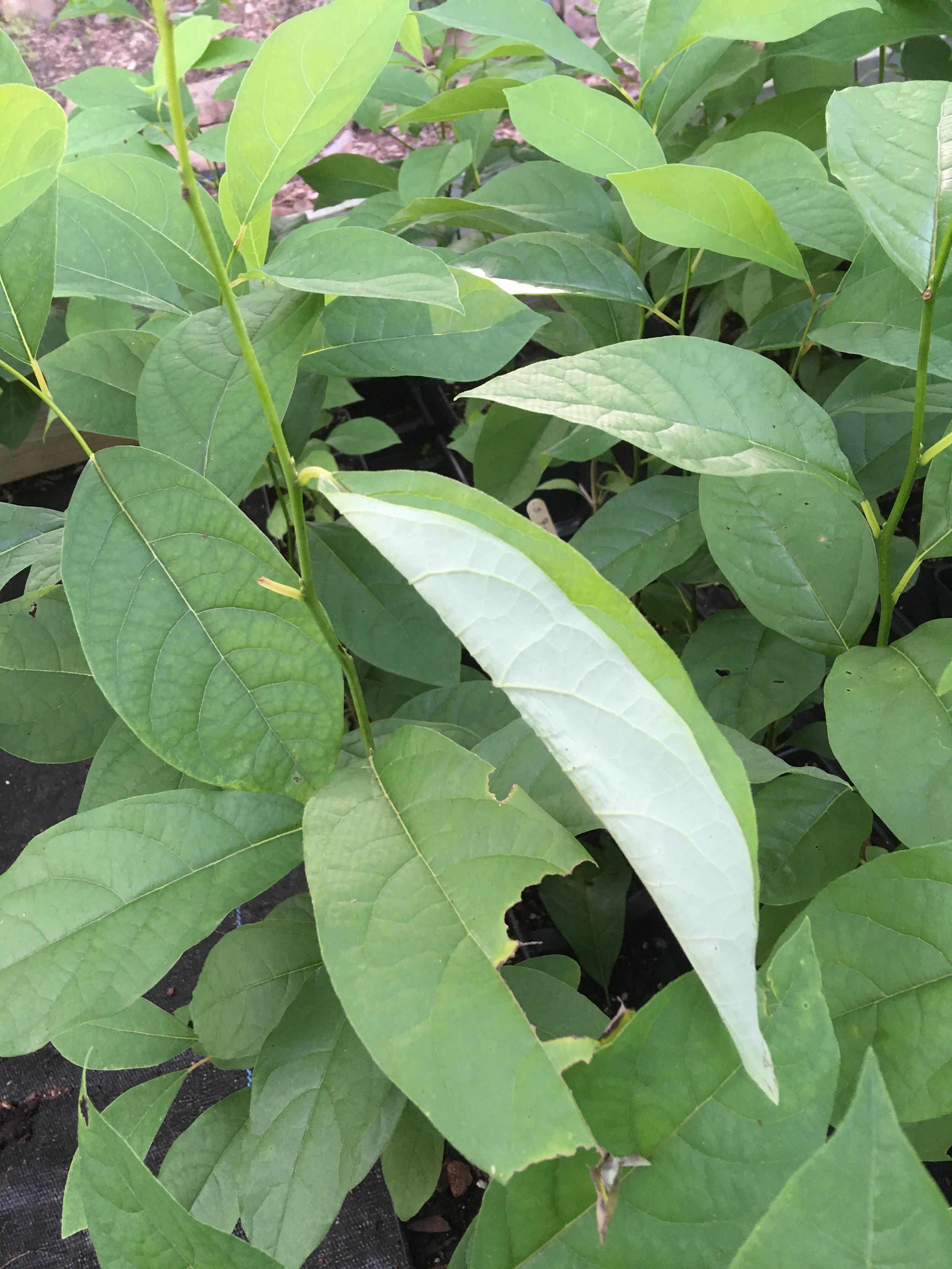
Lindera benzoin - (Spicebush)
GARDEN SITE: Part Shade. Average, Moist, Well-drained Soil.
SIZE: 6-12 ft. Spread 6-12ft.
FLOWERS: Greenish Yellow/March. Red berried in fall.
WILDLIFE: Attracts Birds and Butterflies
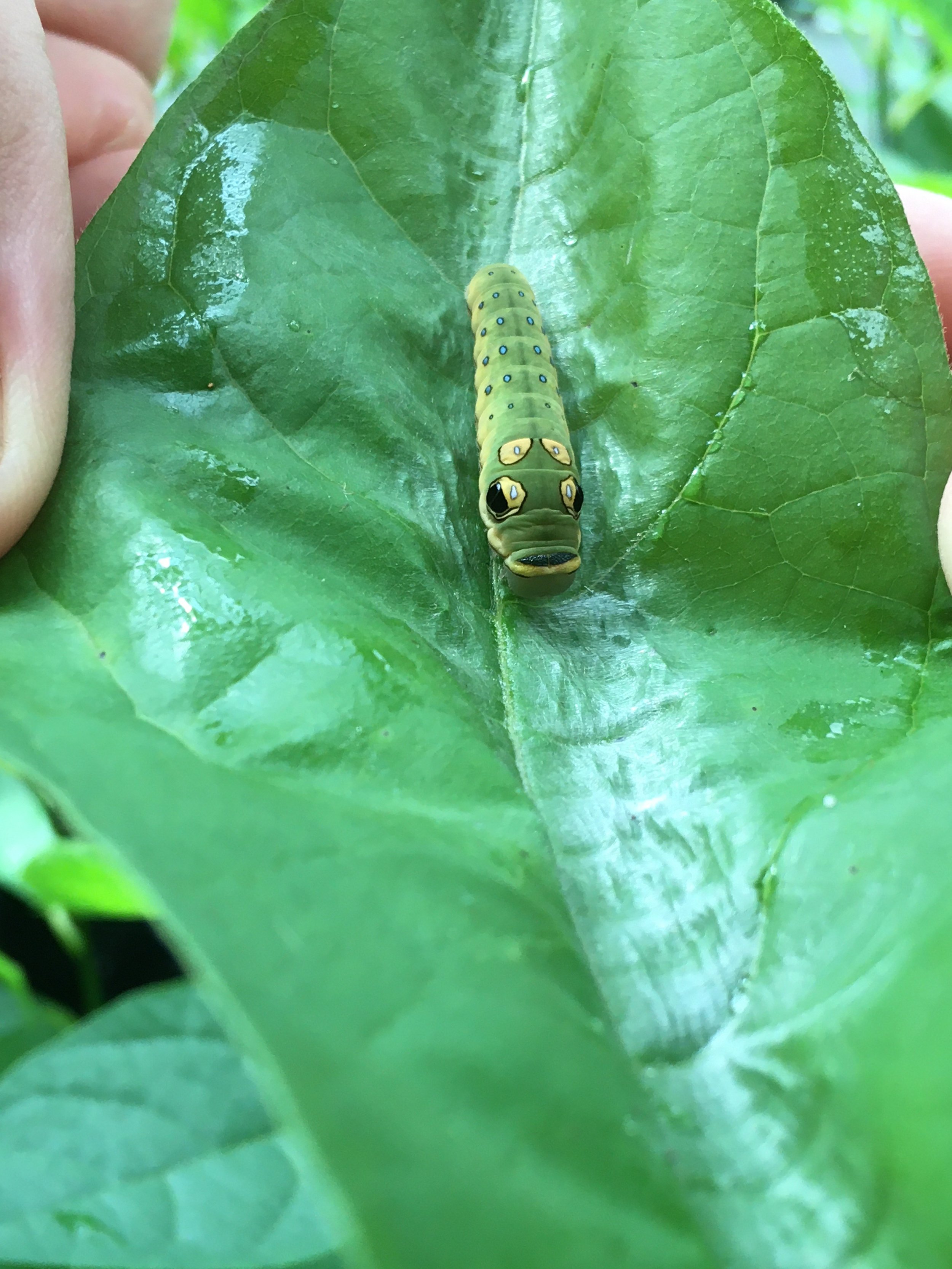
LARVAL HOST TO: Larval host to Spicebush and Eastern Tiger Swallowtail as well as Promethea silkmoth
ZONE: 4-9
Tea can be made from the aromatic leaves and twigs. Deer, Drought, Heavy Shade, Clay Soil, Wet Soil, Black Walnut tolerant. Dioecious species!
GARDEN SITE: Part Shade. Average, Moist, Well-drained Soil.
SIZE: 6-12 ft. Spread 6-12ft.
FLOWERS: Greenish Yellow/March. Red berried in fall.
WILDLIFE: Attracts Birds and Butterflies
LARVAL HOST TO: Larval host to Spicebush and Eastern Tiger Swallowtail as well as Promethea silkmoth
ZONE: 4-9
Tea can be made from the aromatic leaves and twigs. Deer, Drought, Heavy Shade, Clay Soil, Wet Soil, Black Walnut tolerant. Dioecious species!

YOU ALSO MIGHT LIKE
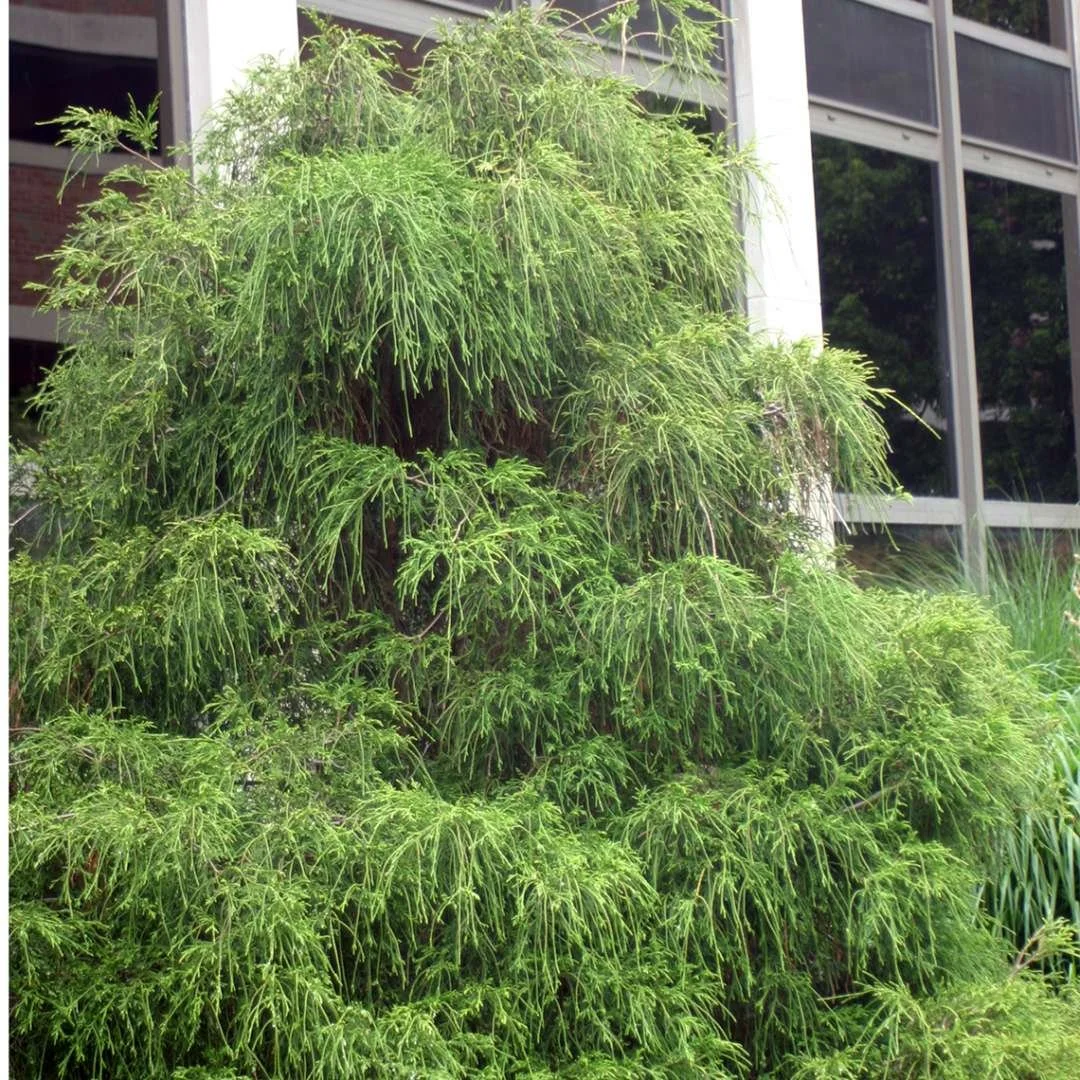
GARDEN SITE: ☀️-⛅ Average to medium, moist, well-drained soil. Intolerant of dry conditions.
SIZE: 7-8 ft. SPREAD: 3-4 ft.
FLOWERS: Non-flowering
WILDLIFE: Provides shade and shelter.
ZONE: 2-7
DISTRIBUTION: Eastern and North-Central United States
This uniquely shaped evergreen embodies grace with its loose, sweeping branches of thread-like, aromatic, yellow-tinged foliage. The extremely fine and delicate growth habit adds year-round whimsy and texture to your garden while providing shelter and shade for wildlife. Clay soil, Black Walnut, air pollution, deer and rabbit tolerant. Avoid windy or exposed sites.
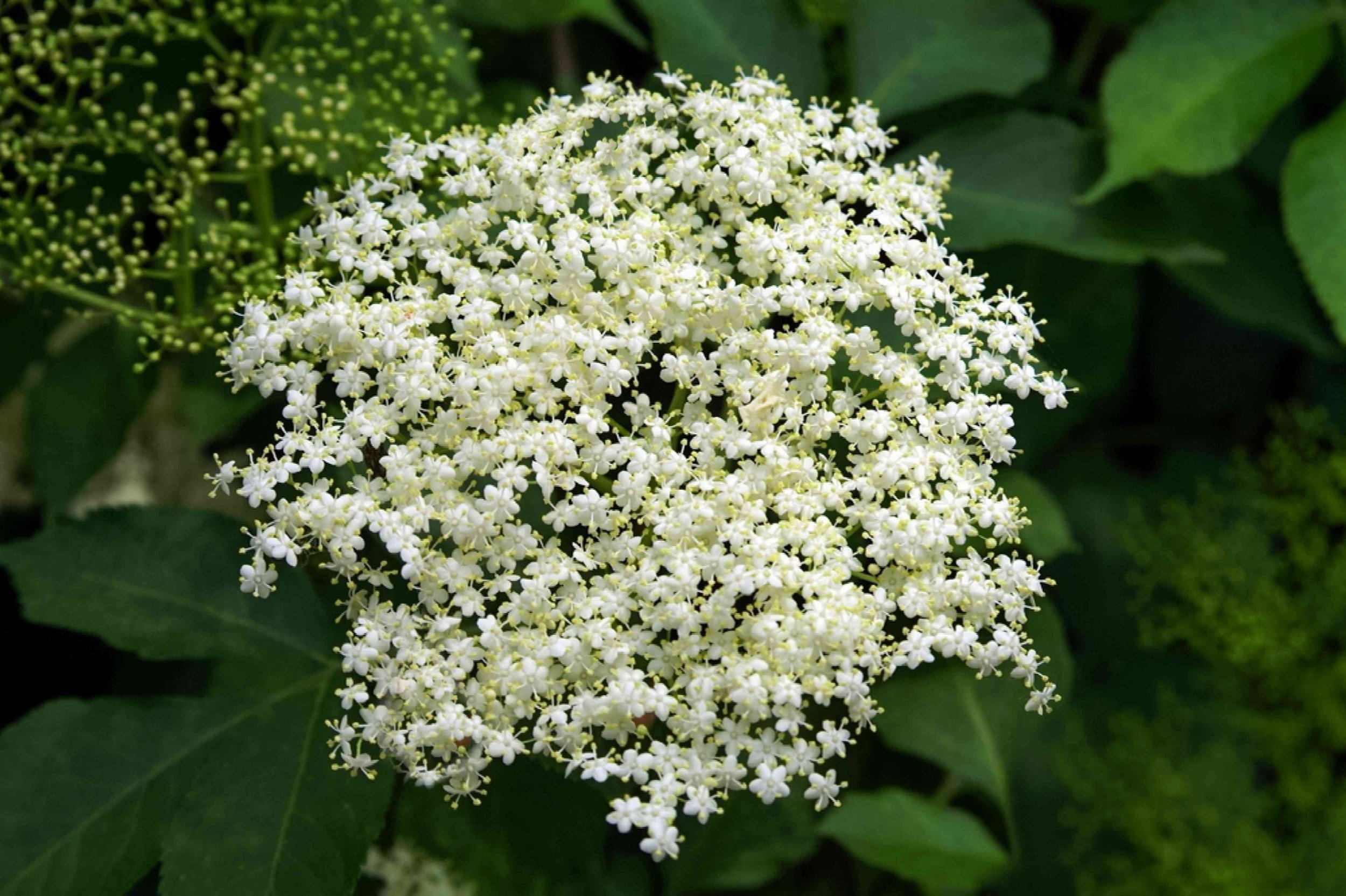
GARDEN SITE: ☀️-⛅ Medium to wet, well-drained soil. Tolerates a wide range of soils.
SIZE: 5-12 ft. Spread: 5-12 ft.
FLOWERS: Showy, fragrant, white. June-July.
WILDLIFE: Attracts pollinators and birds.
LARVAL HOST TO: Grey Hairstreak, Pale Tiger Swallowtail
ZONE: 3-9
DISTRIBUTION: AL , AR , AZ , CA , CO , CT , DC , DE , FL , GA , HI , IA , IL , IN , KS , KY , LA , MA , MD , ME , MI , MN , MO , MS , MT , NC , ND , NE , NH , NJ , NM , NY , OH , OK , PA , RI , SC , SD , TN , TX , VA , VT , WI , WV , WY
American Elderberry is a beloved native perennial shrub that has an open growth habit with arching branches of bright green leaves. During June loads of lemony scented, creamy white flowers cover the shrub that will give rise to glossy black berries. The fruits will attract many species of birds and mammals and may be used to make jams, jellies and elderberry wine. Another brilliant choice for those who wish to go birding in their own yard as this plant attracts numerous bird species including, American Goldfinch, Eastern Bluebird, Northern Cardinal, Cedar Waxwing, Mockingbirds and Warblers. This is a good shrub for naturalized areas along erosion prone waterways. Tolerant of wet soil and erosion.
GARDEN SITE: ⛅ Consistently moist to standing water. Prefers less than 6 hours of sunlight daily.
SIZE: 6-12 ft. SPREAD: 6-12 ft.
FLOWERS: Yellow-green. May.
WILDLIFE: Supports various species of pollinator larvae. Attractive to native bees and honey bees. Nesting site for birds.
LARVAL HOST TO: Viceroy and Acadian Hairstreak.
ZONE: 4-8
DISTRIBUTION: Eastern United States
Silky Willow is a native shrub or small tree that has recently gained the attention of botanists and landscape professionals alike. As suggested by its common name, this interesting shrub has fine, silken hairs covering its young branches and the underside of its leaves giving it a silvery appearance in the sunlight. To truly appreciate the unique beauty of this plant, it is best to chose a location that mimics its natural ecosystem: riparian areas and along consistently moist waterways. A wonderful choice for wet areas in need of erosion control and natural/live fencing. Historically, parts of the Silky Willow have been used for medicinal purposes, basketry and crafts. This species also helps with water filtration and carbon sequestration.


GARDEN SITE: ☀️-⛅ Moist, well-drained soil.
SIZE: 5-10 ft. SPREAD: 6-10 ft.
FLOWERS: Showy, creamy-white. March-April.
WILDLIFE: Flowers and fruits attract butterflies, bees, birds and other wildlife.
LARVAL HOST TO: Spring Azure butterfly
ZONE: 2-8
DISTRIBUTION: AL , AR , CT , DC , DE , FL , GA , IA , IL , IN , KY , LA , MA , MD , ME , MI , MO , MS , NC , NH , NJ , NY , OH , PA , RI , SC , TN , TX , VA , VT , WI , WV
Arrowwood Viburnum is a vigorous, multi-stemmed shrub with a profusion of large, flat-topped white flowers that make a perfect landing pad for pollinating insects. The showy flowers are followed by blue-black berries that are a favorite of birds and other wildlife species. During fall, the lustrous, dark green leaves turn stunning shades of orange, yellow and red. Use this versatile Viburnum as a hedge, border, screen or foundation planting. Black Walnut and deer resistant.