

 Image 1 of 1
YOU MIGHT ALSO LIKE
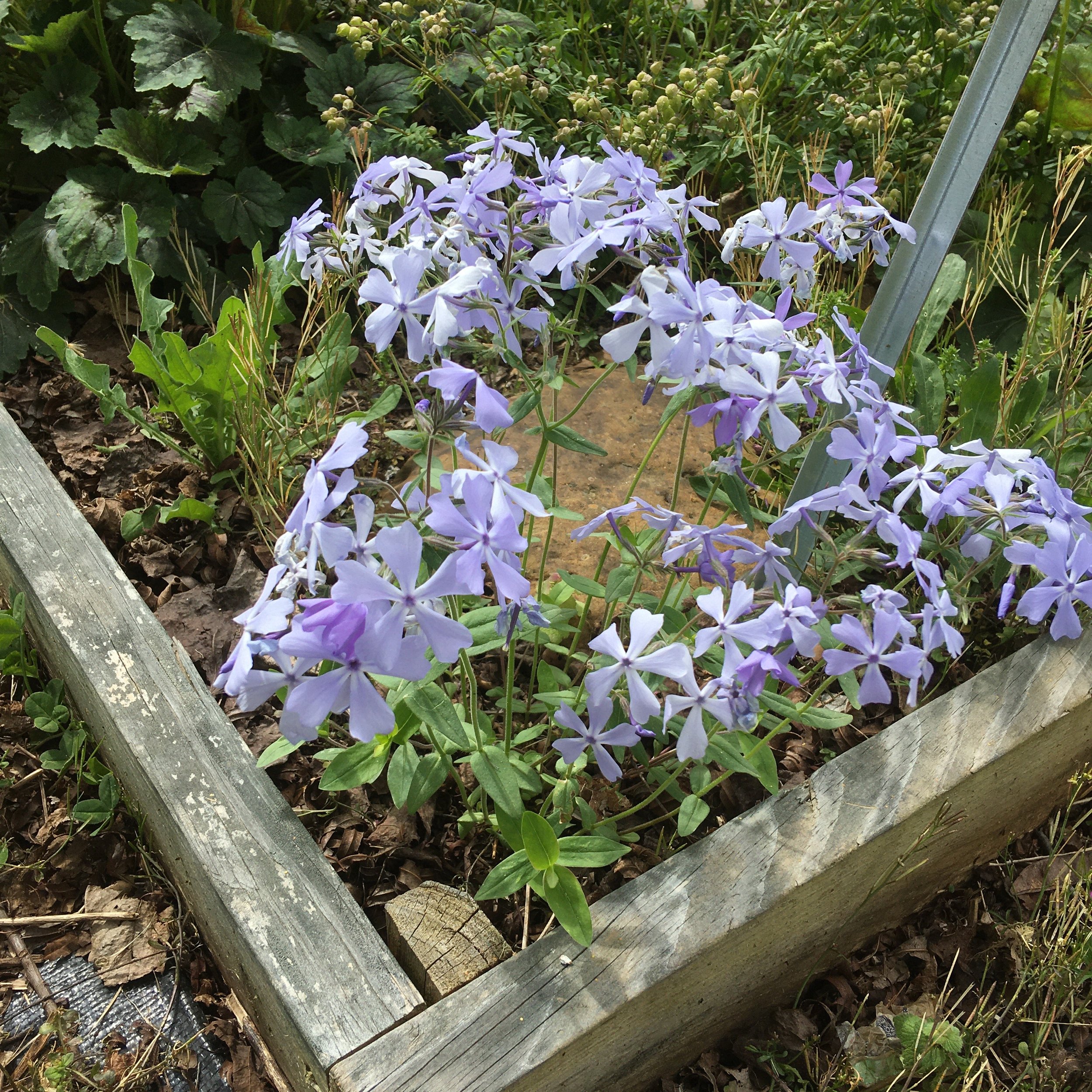
GARDEN SITE: Part Shade - Full Shade. Humusy, Medium moisture, Well-drained Soil.
SIZE: ¼ -1ft. Spread: ¼ -1ft.
FLOWERS: Blue Blooms April to May
WILDLIFE: Attracts Hummingbirds and Butterflies
Also called Wild Sweet William. Appreciates light summer mulch. Deer, Drought, Clay Soil and Dry Soil Tolerant. Good as groundcover.
GARDEN SITE: Part Shade - Full Shade. Humusy, Medium moisture, Well-drained Soil.
SIZE: ¼ -1ft. Spread: ¼ -1ft.
FLOWERS: Blue Blooms April to May
WILDLIFE: Attracts Hummingbirds and Butterflies
Also called Wild Sweet William. Appreciates light summer mulch. Deer, Drought, Clay Soil and Dry Soil Tolerant. Good as groundcover.
YOU MIGHT ALSO LIKE
GARDEN SITE: ☀️ Prefers well-drained soil. Tolerant of clay, rocky and sandy soil.
SIZE: 2-3 ft. Spread: 1-2 ft.
FLOWERS: Dense, vibrant purple clusters. July-August.
WILDLIFE: Attracts a variety of pollinators, especially bees, butterflies and hummingbirds.
LARVAL HOST TO: American Lady butterfly
ZONE: 4-9
DISTRIBUTION: Northeastern, Southeastern and Midwestern United States
A rugged, drought tolerant alternative to Giant Ironweed, Vernonia lettermannii " Iron Butterfly" is an Ironweed cultivar that has been selected for its compact, densely mounding growth habit and showy, long lasting flowers. The fine, fern-like leaves will add gorgeous texture and movement to your landscape and looks particularly stunning when planted in masses. Resistant to drought, erosion, dry soil, poor soil and tolerant of deer and rabbit browse.
GARDEN SITE: ☀️-⛅ Medium-wet, medium, medium-dry well drained soil.
SIZE: 2-3 ft. SPREAD: 1-2 ft.
FLOWERS: Showy, blue. April-July.
WILDLIFE: Attractive to native bees and butterflies.
LARVAL HOST TO: Golden Looper moth
ZONE: 4-9
DISTRIBUTION: AL, AR, CT, DE, FL, GA, IA, IL, IN, KS, KY, LA, MA, MD, ME, MI, MN, MO, MS, NC. NE, NH, NJ, NY, OH, OK, PA, RI, SC, TN, TX, VA, WI, WV
Ohio Spiderwort is a vigorous, clump-forming perennial with graceful, blue-green foliage topped by clusters of pretty blue flowers. This charming wildflower will bloom up to six weeks and will provide loads of seasonal color in a sunny garden. During mid-summer, cut back 6-12 inches to encourage new growth and possibly another bloom cycle. Dry soil, drought, disease and pest resistant.
GARDEN SITE: ☀️ Prefers moist, well-drained soil but is tolerant of wet and dry soils.
SIZE: 2-4 ft. SPREAD: 2-3 ft.
FLOWERS: Showy, golden-yellow panicles. August-October.
WILDLIFE: Attracts butterflies, bees, pollinators and beneficial insects.
ZONE: 4-8
DISTRIBUTION: Eastern United States
Better behaved than most goldenrods, Fireworks Goldenrod is an excellent addition to your late summer garden. Not only will its cheerful, golden blooms bring end of the season color to your landscape but it also provides a much needed nectar and food source to pollinators and wildlife. This sensational wildflower will fit perfectly into a informal, cottage garden, naturalized area, meadow or pollinator garden. Resistant to deer, drought, humidity, insect pests and wet soil.






GARDEN SITE: ☀️ Medium-wet to wet soil.
SIZE: 4-6 ft. SPREAD: 2-4 ft.
FLOWERS: Slender spikes of white-purple tubular flowers. July-September.
WILDLIFE: Attracts numerous species of bees, butterflies, moths, flower flies and wasps.
LARVAL HOST TO: Buckeye butterfly
ZONE: 3-8
DISTRIBUTION: Central and Eastern United States
Add a touch of elegance to your pollinator garden with Culver’s Root! This gorgeous perennial will add vertical interest to your garden space with its showy spikes of white to purple blooms. Flowers last up to six weeks, providing loads of summer color, and are a magnet to pollinator species. A perfect choice for rain, pollinator, cottage and cut flower gardens. Tolerant of deer and wet soil.